


From a Western perspective the third eye, Brow Chakra, or pineal gland, is a topic bound to the fringes of societal speak. A taboo of sorts, lumped in with other phenomena not readily explained by previous knowledge. Reasonably so, current scientific findings are showing us we may need to rethink our past prejudices.
Role/Function

The pineal gland, also known as the epiphysis, is a pine cone shaped (thus the name), fluid filled, organ of the endocrine system. In humans, the gland is located at the center of the skull, near the junction of the reptilian and mammalian brains (see below).

This organ acts as an interface between the nervous system and endocrine system. It is the first gland developed during gestation and receives more blood per unit of volume than any other tissue — excluding the kidneys (1). The gland is responsible for production and regulation of Serotonin, Melatonin, and quite likely the mythical Dimethyltriptamine, “DMT” (2). The pineal gland also has a profound impact on the pituitary gland and its hormones through a means not well understood (3). Thought by many cultures to be a significant factor in consciousness and the source of dreams, the pineal gland’s functions support these notions.
To understand more about our own pineal gland we must look at its role in other organisms. Nearly all vertebrates, and even some invertebrates, possess a third eye or similar organ. In fish, reptiles, and amphibians, there is a light sensitive organ know as the parietal eye on top of the skull.

This organ is essentially a less developed pineal gland, but fulfills a similar role. It is believed that this photo-receptive organ acts to determine an organisms place and time in the environment in relation to the intensity and position of the sun. Hormone, thermal, and general homeostatic regulation in accordance with seasonal changes are the duties of the epiphysis (pineal organ). (4)
For humans, and other mammals, the pineal gland does not lie on top of the head– as it is covered by additional brain matter — but is still able to detect changes in environmental light due to its cellular structure and its intimate relationship with visual components of the brain (5).
This fits alongside the roles of the hormones regulated by the pineal gland itself. Serotonin, being the primary hormone secreted during the day, is broken down or built for a many number of functions required for life. This molecule is present in nearly all forms of life, from single celled organisms, to plants, lobsters, and finally humans. Although synthesized primarily in the gut, serotonin is secreted into the central nervous system via the pineal gland and the ventricular system(6).

A lobster’s place within its social hierarchy is largely correlated with serotonin levels; the more circulating serotonin, the more resources and/or territory a lobster controls. Humans are remarkably similar to these aquatic arthropods in this way.
Improved nervous system integrity, is the goal (and result) of this molecule and its derivatives. Serotonin acts similar to both a hormone and neurotransmitter, signaling a cascade of bodily reactions that result in improved nervous system function and thereby increasing the odds of survival. In humans, low serotonin is closely related to depression, anxiety, insomnia, obesity, and fibromyalgia (8).
Melatonin, made from serotonin, is responsible for nocturnal processes of the body. A powerful antioxidant, melatonin repairs nerve cells from damage by electron snatching free-radicals (oxidation). In addition, melatonin is a signaler for great number of actions involved with the circadian rhythm and reproductive function. Circadian rhythm being the chrono-biological process by which an organism best adapts to a specific environment and its seasonal cycles.

Blue light (daylight) suppresses the ability to synthesize melatonin. It is only during dusk — when blue light gives way to red light — that we are able to accomplish this task. If you expose yourself to blue light close to bedtime you could have trouble falling and staying asleep. (9)
Further…
For animals that inhabit the north pole –including the walrus and polar bear– massive deviations in sun position over the course of a year require internal mechanisms to constantly be in tune with the environment. In response, these animals possess relatively large pineal glands in comparison to other mammals (10). For example, during the summer and spring, a large pineal gland aids in serotonin secretion and therefore the pursuit of food and/or reproductive needs (a mate). When winter comes, and darkness covers the region for the majority of the day, melatonin will be secreted to promote rest and prevent tissue breakdown during the harsh times. These polar animals must be sensitive to the patterns of light and dark; if not, death is all too likely.
Meanwhile, vertebrates who live near the equator either have lost their third eye or have little function for it. Yet, vertebrates who live near the poles of the globe possess excessively large pineal glands. So, the position of the sun relative to a set geographic location influences pineal development to a significant degree. In the tropics (equator) the sun rarely fluctuates, staying rather consistent in position and intensity all year long. If so, an organism has little need for a gland whose job is to gauge these seasonal changes for the sake of survival.
Mechanism of Action
So, when the early morning light reaches the third eye of animals, serotonin is secreted; as the day ends, and light frequencies change, melatonin is released for sleep and repair. These two molecules are secreted into what is known as the Cerebrospinal Fluid (CSF) via the third ventricle (11). The ventricular system itself is a series of canals within the central nervous system. Filled with CSF, the ventricles act as a highway for nerve tissue repair as well as being a means of physical protection.

CSF is a clear, colorless, fluid found in both the brain and spinal cord, part of the ventricular system. The substance acts a medium for nutrient exchange, chemical balance, and nerve protection. The brain floats in a bath of CSF encased within the skull, providing shock absorption and a beneficial environment for nervous tissue. Without it, our brains would starve and bruise.
Composition of Our Own Pineal Gland…
We know that the pineal gland contains light sensitive cells similar to those found on the retina, and is connected to the visual centers in the brain. This helps explain how hormones are secreted upon exposure to sunlight in animals without an extrinsic pineal gland. Light is received by your actual eyes, sent to visual areas of your brain, and then relayed to the pineal gland (12).
Though this third eye does not directly interact with the external environment, it is not known to be devoid of light on the interior either. Within the gland exist special cells know as pinealocytes (pineal cells). These cells have piezoelectric properties; meaning that under mechanical stress they store an electric charge (13). –This being the same process used by hand lighters: a crystal is compressed and an electrical charge ignites the gas leading to flame. — Additionally, these calcium based crystals –know as brain sand– contained within the pinealocytes are excitable at frequencies similar to that of common means of communication including: Bluetooth, GMS, DCS, UMTS (14). The pineal gland has also been shown to be sensitive to other electromagnetic phenomena, including the earth’s magnetic field (15).
It seems that these crystals resonate at various frequencies which then causes the pinealocytes to store a charge. What the charge is then used for is not known but there does exist some speculation on the matter. What this means for sure is that our own pineal gland is a transducer, turning mechanical energy into electrical energy.
Significance of Anatomical Location
It is no coincidence that the Pineal Gland is located at near perfect center of the skull. Not only does it conjoin the reptilian and mammalian portions of the brain but it also connects both the left and right hemispheres of the human neocortex.
Located superior to (above) the pineal gland is a bundle of communicatory nerve fibers known as the Corpus Callosum, Latin for “tough body”. The corpus callosum is the pathway by which both the left and right sides of the brain coordinate. Why this is important lies in the independent and interdependent roles of each side of the brain. While there exists speculation as to what exactly each hemisphere does, it is known that there are functions that occur bilaterally and others unilaterally.

For instance, it is believed that this is the reason for a specific handedness among people. Whether or not you are stronger and more adept with your right or left side of your body is in regard to the nervous tissue development in the corresponding part of the brain. If your left brain was more developed– due to both hereditary and environmental circumstances– you will have more nervous system control on the right side of your body.
This phenomenon is not unique to humans and is found throughout all vertebrates. The reason is one of evolutionary advantage. Specialization of different parts of the brain allows for a more efficient nervous system. This leads to better adaption to environmental stressors and therefore increased chance of survival.
Improved blood flow and tissue function of the pineal gland will, by proxy, also mean more blood to the corpus callosum and vice versa. If both halves of the cortex are in harmony then more balanced conscious and subconscious decision making will be possible by the brain. The health of this region is so important, that in the rare event that people are born without a corpus callosum they can be subject to a debilitating array of conditions, ranging from metabolic disease to severe cognitive impairments (16). Though these symptoms are broad and may seem unrelated, they are the manifestation of a brain having difficulty coordinating its (incomprehensibly) numerous functions. The pineal gland exists at this crossroads and could be a reflection of the health of the brain and body itself.
What does this all mean?
Based on this information, we can infer that the pineal gland is the most basic interface between ourselves and the environment. This falls into line as one remembers that pineal organ is the very first gland produced in a gestating fetus; again, far from a coincidence. Due to the actions of the the pineal gland we are able to achieve an understanding of where we are in relation to both time and space. This is corroborated by evidence that shows excessive calcification of the pineal gland impairing one’s sense of direction, among other things (17).

This could be an explanation how certain animals can navigate vast distances without the use, or even concept, of a map and compass. Using the position of the sun, along with magnetic fields, as a guide organisms can consistently find their way to breeding grounds some thousands of miles from their long term habitats.
In short, our third eye is our first eye. It cannot pick out fine details in the environment, but provides us with a bearing as to when and where we are. Additionally, the constituents of the gland lend to the idea that it, along with the rest of the brain, act as a receiver for some form of energy or information via a mechanism not well understood by current science. It is this ability that also sheds light onto the mystery of dreams and even consciousness itself.
The Dream State
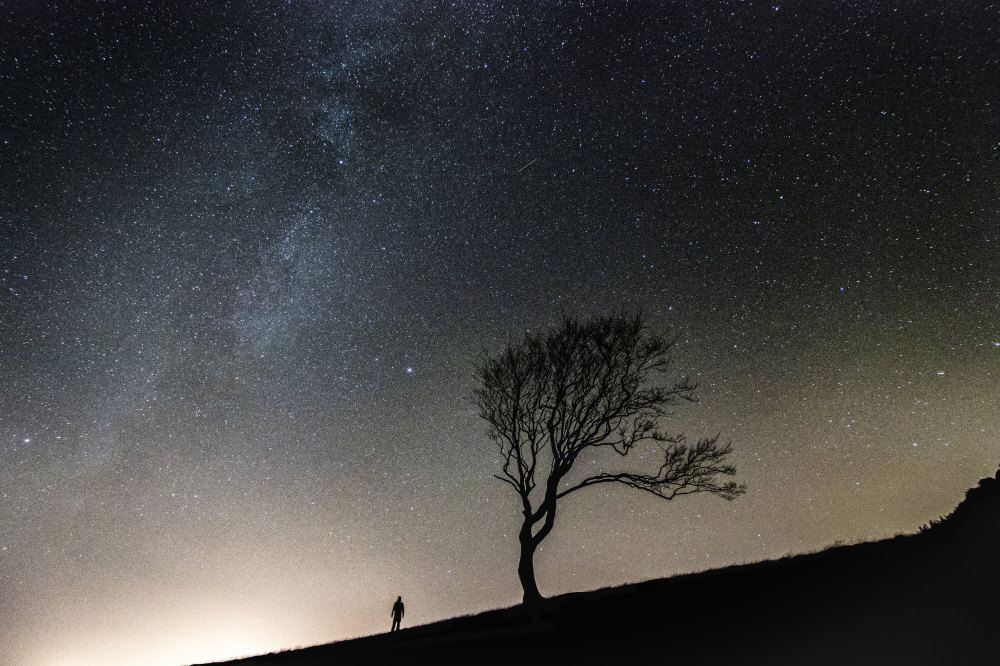
To anyone (everyone) that has ever dreamed, you know how real the experience truly feels. Maybe a nightmare, or even just a strange sequence of events, dreams have the ability to flip our perception of life on its head. Sometimes dreams seem so real that, on occasion, we wake and continue to live as if what we just dreamt is our reality; only to be disappointed, or relieved, after some realization.
Science currently knows little about how and why dreams occur, but what is certain is that dreams are by no means an accident. There are reasons dreams have been regarded as gateways into the higher realms across both time and cultures. Unfortunately, these reasons are currently difficult to express in either qualitative or quantitative means.
Sleep is the cousin of death
Nas
Due to the secretion of melatonin to induce a sleep state, it is widely believed that the pineal gland plays an important role in the function of dreams. Dreams occur during what is called rapid eye movement or “REM” sleep (18). This is the reparative, regenerative sleep — regulated by melatonin— that we need to maintain healthy living tissue. Melatonin signals the body to enter this state but there is little evidence to suggest that this molecule is directly responsible for the conscious and visual phenomena of dreams. The massive shift in what we know to be our reality during a dream has been attributed to the molecule DMT.
The Dream Molecule


Melatonin – Hydroxl group
Dimethyltriptamine, the most controversial and least understood pineal hormone, is postulated to be released when we dream, die, or when having an out of body experience. DMT is found throughout nearly all life on earth, most commonly in many plant species. The molecule itself is a derivative L-trytophan, a vital amino acid for animals, coming from plants. In humans, DMT is ever present within nearly all living tissue but is most prominent within the pineal gland and ventricular system– two intertwined parts of the body (19). Based on its chemical similarity to both melatonin and serotonin it is thought that DMT must function similarly, although there is no definitive answer at this point in time.

Nasir-ol-molk Mosque in Iran; some liken the fractal shapes from DMT to these works of art.
DMT is famous primarily for its use as a medicinal and/or recreational compound. Known for its presence in the shamanic South American brew, Ayahuasca, the substance elicits an immensely powerful, predominantly visual, experience (20). Intriguingly, the recollections of the event are oddly similar across individuals, regardless of the circumstances. Many describe encounters with extra-dimensional beings whom they recall interacting with via telepathy. Others tell of impossible geometric shapes with colors that, due to the limits of vocabulary, cannot be described (20). One thought is that these supra-physiologic amounts of DMT act as a key for the door to higher dimensional planes. The distortion of time (and space), presence of other intelligences, and fractal imagery suggests that idea as well. Though this comes from subjective user experiences, the repeating patterns in the descriptions cannot be ignored.

The most common means of DMT ingestion in the west is either through vaporization or intravenous administration. Though both avenues produce an extraordinary experience, it is far from the only way to consume the substance. Ayahuasca, is made from a vine, yage (Banisteriopsis caapi) and a shrub, chacrona (Psychotria viridis) both found in the Amazonian rain forest. Upon oral ingestion, DMT is “deactivated” due to a molecule found throughout living tissue, monoamine oxidase. It is when a monoamine oxidase inhibitor (MAOI) is also ingested that DMT can remain active via oral consumption (21). The yage is rich in these MAOI’s while the chacrona has plentiful amounts of DMT, the combination resulting in orally active DMT. Rightfully so, the peoples whom use this brew treat it as a significant spiritual event, essentially being used as medicine for the “soul”. The subjective recall from the ordeal is similar to those from pure DMT; an otherworldly experience that leaves an individual changed, often for the better. When asked by western researchers how natives knew to combine these two seemingly unrelated plants, the natives respond by saying that the plants told them to (22).
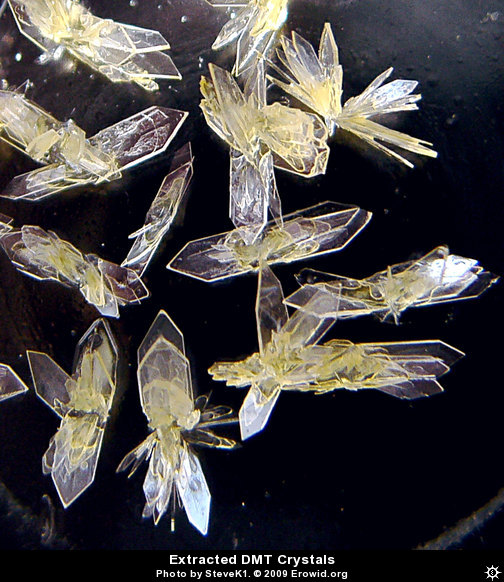
How does this play into the visually intensive nature of dreams? Here is my speculation using both the subjective descriptions as well as scientific properties of the pertaining mechanism: As you enter a dream state DMT is released inside the fluid of the pineal gland and ventricular system, therefore flooding into your central nervous system as well. Upon mechanical stimulation, through vibrations in space, the pinealocytes store an electric charge that is then passed through the liquid of the pineal organ. The charge, combined with the physical and molecular properties of DMT create vivid colorful images inside of the gland. The photosensitive cells lining the pineal gland then receive this information and relay it to the rest of the brain. This action, combined with the stimulation across the entire nervous system is then construed by the mind to be a dream. Again, at this point in time this idea is pure speculation due to the lack of definitive research on the matter.
This explanation answers only some of the questions associated with dreams. How do they feel so real to us? How can such small chemical and physical actions have such a profound impact on one’s conscious experience of life? The more we study this seemingly insignificant organ, and pertaining molecules, the more we will know about our night time journeys and perhaps our day time ones as well.
Dreams open our eye(s) to a whole new world of what we consider reality. Dreaming is but a slightly altered form of “waking” consciousness. Dreams follow many of the same patterns witnessed in “real” life including the experience of emotion along with the presence of a narrative.
The mechanism by which we dream then lends credence to our environmental awareness in a wakeful state. In a way, this means that just as we hallucinate a dream, we hallucinate reality. Upon first thought this appears to be preposterous, but it is a very possible explanation. After all, you and I could just be brains in a jar, our experience just a result of artificial stimuli imposed upon us by an unknown intelligence. Due to the lack of definitive quantifiable or qualitative means to truly measure a state of consciousness, we can only speculate.
The Third Eye Across Time and Space

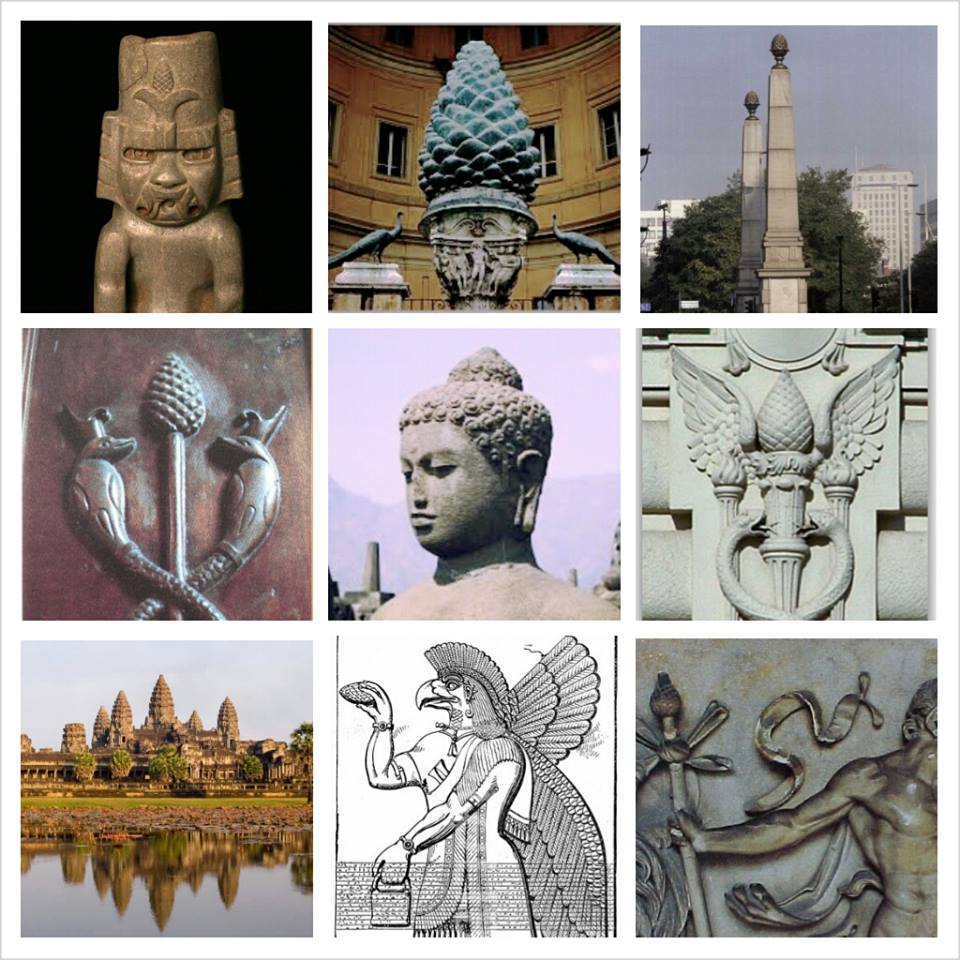
One cannot ignore the significant role played by the pineal gland across cultures, and throughout history. Pine cone symbols not only appear on the staff of the pope and in large statues in the Vatican; but also on Native American spiritual objects and statues of Buddha (23).

The pattern is apparent, ancient peoples knew the significance of this part of the body and went to extraordinary measures to express this knowledge symbolically. In all corners of the world people recognize this as a real, functioning part of every one of us. That is, of course not the case in modern western culture. A culture that skirts around the subject, as the pineal gland is often just a name in a long list of body parts.

Not only are cultures consistent about the importance of the gland but they also describe a similar role for the individual. The third eye is known as the doorway to what we perceive as heaven; a medium through which the physical and non-physical interact. The renaissance philosopher Rene Descartes, the father of Materialism, believed this to be the truth as well. He considered the pineal gland to be the junction of the mind, and the brain, what he referred to as the “seat of the soul” (24).
The light of the body is the eye: if therefore thine eye be single, thy whole body shall be full of light.
Matthew 6:22
Impediments to the pineal gland
If the pineal gland is indeed a door to a higher (energetic) existence then without it we will live a life neutered of its full potential.
Today, we rely little on our built in navigation as we have seemingly built a better one. In addition, we rarely follow the sun’s guidance as when to sleep and when to wake. Knowing the body will attempt to adjust to this environmental change, we can assume that the pineal gland, as with any part of the body, is subject to atrophy. This does not necessarily mean the pineal gland will wither away entirely, but it would certainly be susceptible to a reduction in function, most importantly the production and regulation of Melatonin and Serotonin.
As mentioned before, Melatonin is one of the most important factors in a healthy, functioning being. The primary job of Melatonin being the repair of nervous tissue. Damage to nervous tissue, without proper repair, will result in total body dysfunction in some form.

Poor health, regardless of disease, is rooted in a pro-oxidative environment within the body; an environment which impairs nutrient exchange, the outcome of which is cell death on a massive scale. Too much break down (cell death) and too little build up (cell replication) will result in a slow (and painful) transition into dust.
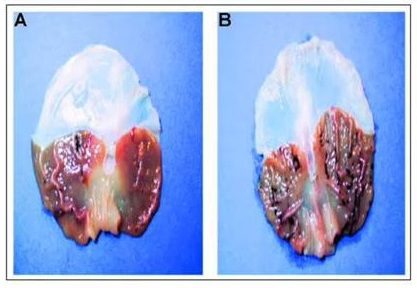
Due to the structure and composition of the pineal gland it is prone to the deposition of calcium, phosphorus, and flouride (25). Pineal tissue is the most susceptible tissue to this process, known as calcification; essentially turning the gland into stone. This phenomenon is present within all organisms with a pineal organ, and intensifies over time. The reason for the propensity towards calcification likely ties into the physical structure of the organ, which itself includes calcite crystals. As mentioned above, calcification of the pineal gland is not only associated with a loss in one’s sense of direction, but is tied to a great number of degenerative neurological conditions (26).

The flouride that has been added to municipal water under the guise of tooth health accumulates at higher rates within the pineal organ. Fluoride is so prone to accumulation within the pineal gland that the ratio of fluoride to calcium can be greater than that within bone itself (26). Additionally, the nuclear structure of flourine allows it to bond to receptors made for iodine. Iodine being one of the base elements required for tissue repair due to its place in the thyroid and its hormones (27). Trace amounts of flourine are no issue and are actually beneficial, but excessive consumption through both drinking water and shower/bath water will contribute to flouride deposition in the pineal gland. Research shows that conditions such as flourosis (occuring in teeth and bones) can directly weaken and impair bone (28). Additionally, children who were exposed to higher amounts of flouride score lower on coginitive tests (29). Given this information we can make sense as to why pineal calcification can be so detrimental to one’s experience of life.
Although calcification is one of the most apparent pathologies of the pineal gland it has also been thought that certain ranges of electromagnetic energy can interrupt function as well. It has been shown that various EM frequencies have a profound impact on the secretion of melatonin (15). If this is the case we know that this deficiency will cascade into a number of health issues. Remember that the crystals within the pineal organ are sensitive to electromagnetic stimulation, so it follows to think that some forms of electromagnetic energy could negatively impact its ability this function of the gland and therefore body/mind. What exactly those are is unknown at the time.
You might not even be aware of any ill effects if you have existed in the state for long enough. Your baseline for recent reality (recency bias) might be skewed because of the subtle nature of this health issue, along with the lack of social awareness on the matter. If you are curious an MRI or X-ray could help to shed light on the issue. The presence of calcification is a good sign that impairment is present.
How to care for your third eye
A healthy pineal gland is sign of a well tuned body, and vice versa. Caring for your third eye means caring for your entire body. That said, there are certain practices that can elicit a focused effort on the pineal gland and its supporting tissues.
The first step towards a healthier pineal gland is by resetting your internal clock with that of the sun and earth. Your circadian rhythm is just that, your body’s attempt to march to the beat of the cosmic drum. This rhythm helps the body become as efficient as possible; continually one step ahead of the environment.
When a consistent circadian rhythm is present the body produces ample melatonin and thereby maintains healthy nervous tissue function. Direct melatonin supplementation has been used as treatment for a myriad of illnesses and diseases from autism to aging. Combining dietary supplementation with a sleep schedule, in accordance with the rising and setting of the sun, is your best bet towards achieving ample melatonin secretion. Foods rich in tryptophan, the precursor to melatonin include: pumpkin seeds, sesame seeds, sunflower seeds, chia seeds, squash seeds, soybeans, mozzarella cheese, red meat, poultry, salmon, tuna, crab, oats, white beans, lentils, and whole eggs. Incorporating these foods into one’s diet can help naturally increase serotonin and melatonin production.

In addition to rising and falling with the sun, spending ample amounts of time in its light is greatly important to us. The sun is not only vital for vitamin D synthesis, but for serotonin secretion as well. Both are hormones necessary for optimal bodily function and therefore life. If the sun is the most proximal reason why any of our reality is possible why not spend some time soaking up its plentiful energy? Without the energy from this star, we could not physically exist. It is no surprise then that ancient peoples worshiped this flaming orb in the sky.
More dietary help for the pineal gland comes in the form of Vitamin K2. Found in various animal fats as well as being synthesized in the gut from Vitamin K1, Vitamin K2, along with Vitamin D3, helps with calcium metabolism. Mobilizing calcium means less calcification of soft tissue, the pineal gland being a primary benefactor. Vitamin K2 is a fat soluble compound found in many (organic) animal products such as butter, cheese, and egg yolks. Vitamin K1 is found in most vividly green leafy vegetables like broccoli, collard greens, mustard greens, swiss chard, spinach, green beans, green peas, asparagus, kale, brussels sprouts and most types of sprouted vegetables.
:background_color(FFFFFF):format(jpeg)/images/library/7635/qR2r7brI9NTRXQjnSWmP1Q_Os_sphenoidale_01.png)
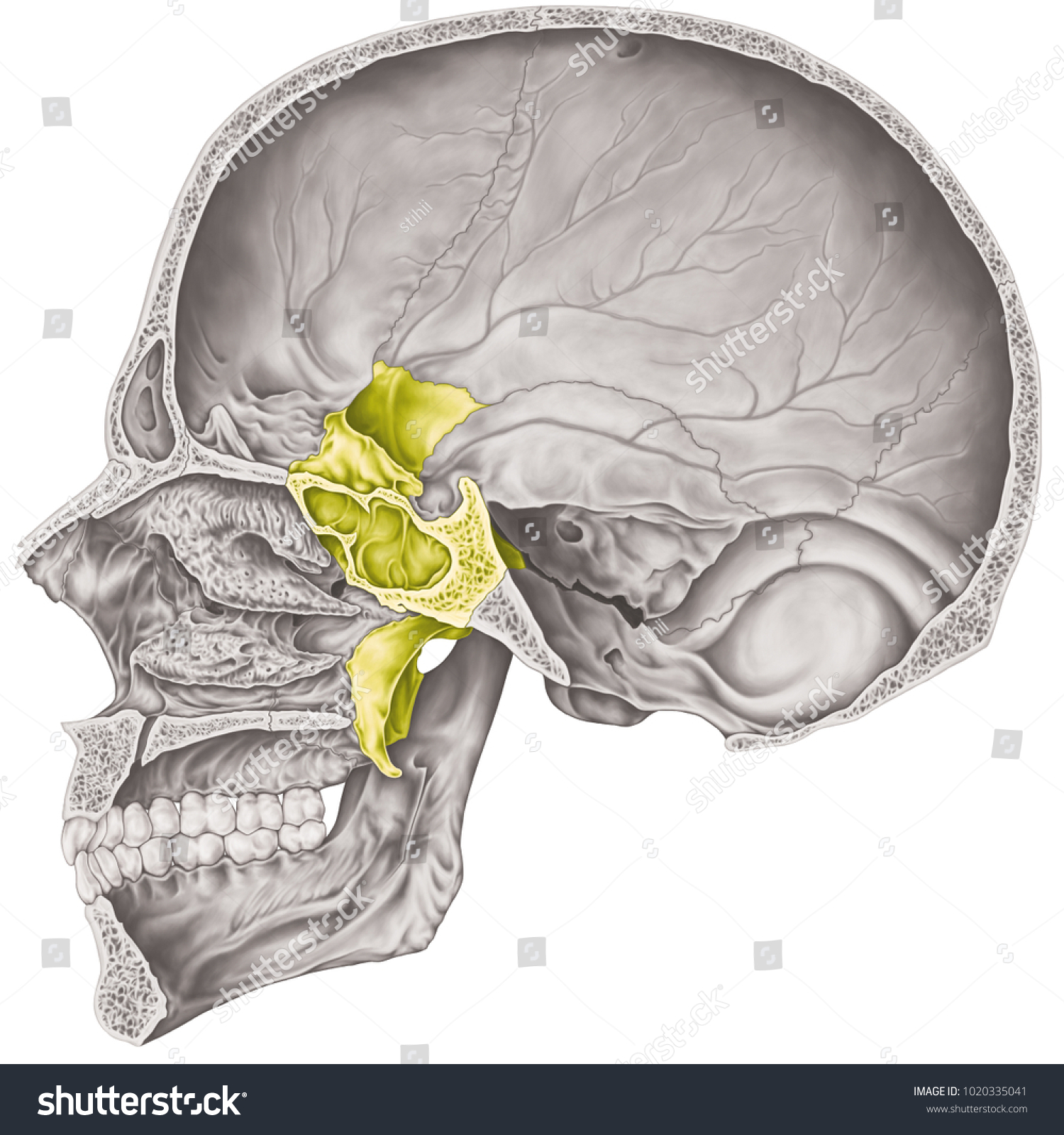
Lastly, physical stimulation of the pituitary gland may encourage pineal activity. With the lips sealed, and the tongue pressed upon the roof of the mouth one make the “ng” sound of the word “song”. With this action the upper sinuses and the sphenoid bone are manually vibrated from air reverberating within the cavity. The vibration then stimulates blood flow to the nearby tissues which include the corpus callosum, pituitary gland, and pineal organ. This very same practice is used by eastern peoples.

In large part due to the western world’s lack of awareness on the topic, little information exists in regards to (all of) the information mentioned above. These strategies can only work if one commits to trying them and practicing them with a proper mindset. If you are wondering whether or not your pineal gland is performing to its fullest potential then think of attempting some of the aforementioned strategies and take notice how your experience of life changes. Massive shifts in what you know as reality could be due to the revival of this seemingly unassuming organ.
Epiphany; Epiphysis
The health of your pineal gland is reflected by the body, mind, and spirit. Regardless of our background, we all aspire to achieve the physical, mental, and emotional health necessary for a rewarding and fulfilling life. Your path towards what this means to you is illuminated, but can only be seen with help from your pineal gland. Start on this journey today, as there is no better time than now
References
- Arendt J: Melatonin and the Mammalian Pineal Gland, ed 1. London. Chapman & Hall, 1995, p 17
2. Axelrod J (1970). “The pineal gland”. Endeavour. 29 (108): 144–8. PMID 4195878.
3. Motta, Marina; Fraschini, F.; Martini, L. (1967). “Endocrine Effects of Pineal Gland and of Melatonin”. Exp Biol Med (Maywood). 126 (2): 431–435. doi:10.3181/00379727-126-32468.
4. Eakin, R. M (1973). The Third Eye. Berkeley: University of California Press.
5. Dodt, Eberhard (1973). “The parietal eye (pineal and parietal organs) of lower vertebrates”. Visual Centers in the Brain. Springer. pp. 113–140.
6. King MW. “Serotonin”. The Medical Biochemistry Page. Indiana University School of Medicine. Retrieved 1 December2009.
Berger M, Gray JA, Roth BL (2009). “The expanded biology of serotonin”. Annual Review of Medicine. 60: 355–66. doi:10.1146/annurev.med.60.042307.110802. PMC 5864293. PMID 19630576.
7. Edwards, D. H., & Kravitz, E. A. (1997). Serotonin, social status and aggression. Current Opinion in Neurobiology,7(6), 812-819. doi:10.1016/s0959-4388(97)80140-7
8. Young S. N. (2007). How to increase serotonin in the human brain without drugs. Journal of psychiatry & neuroscience : JPN, 32(6), 394-9.
9.Lowrey, Phillip L.; Takahashi, Joseph S. (2000). “Genetics of the Mammalian Circadian System: Photic Entrainment, Circadian Pacemaker Mechanisms, and Posttranslational Regulation”. Annual Review of Genetics. 34 (1): 533–562. doi:10.1146/annurev.genet.34.1.533. PMID 11092838.
10 Ralph, Charles (1975). “The pineal gland and geographical distribution of animals”. International Journal of Biometeorology. 19 (4): 289–303. Bibcode:1975IJBm…19..289R. doi:10.1007/bf01451040. PMID 1232070.
11.Dorland’s. Illustrated Medical Dictionary. Elsevier Saunders. p. 1607. ISBN 978-1-4160-6257-8.
12. Ilahi S, Ilahi TB. Physiology, Pineal Gland. [Updated 2018 Oct 27]. In: StatPearls [Internet]. Treasure Island (FL): StatPearls Publishing; 2019 Jan-. Available from: https://www.ncbi.nlm.nih.gov/books/NBK525955/
13. Lang, Sidney; Marino, Andrew; Bekrovic, Garry; Fowler, Marjorie, Abreo, Kenneth. Piezoelectricity In the Human Pineal Gland. Bioelectricochemistry and Bioenergetics. August 1996.
14. Simon Baconnier, Sidney.B. Lang, René De Seze. New crystal in the pineal gland : characterization and potential role in electromechano-transduction. 27. URSI General Assembly, Aug 2002, Maastricht, Netherlands.
15. Lewczuk, B., Redlarski, G., Zak, A., Ziółkowska, N., Przybylska-Gornowicz, B., & Krawczuk, M. (2014). Influence of electric, magnetic, and electromagnetic fields on the circadian system: current stage of knowledge. BioMed research international, 2014, 169459.
16 Rakic, P; Yakovlev, PI (January 1968). “Development of the corpus callosum and cavum septi in man”. The Journal of Comparative Neurology. 132 (1): 45–72. doi:10.1002/cne.901320103. PMID 5293999..
17. Bayliss, C. R., Bishop, N. L., & Fowler, R. C. (1985). Pineal gland calcification and defective sense of direction. British medical journal (Clinical research ed.), 291(6511), 1758-9.
18. Dieter Kunz, Richard Mahlberg, Cordula Müller, Amely Tilmann, Frederik Bes, Melatonin in Patients with Reduced REM Sleep Duration: Two Randomized Controlled Trials, The Journal of Clinical Endocrinology & Metabolism, Volume 89, Issue 1, 1 January 2004, Pages 128–134, https://doi.org/10.1210/jc.2002-021057
19. Smythies J.R.; Morin R.D.; Brown G.B. (June 1979). “Identification of dimethyltryptamine and O-methylbufotenin in human cerebrospinal fluid by combined gas chromatography/mass spectrometry”. Biological Psychiatry. 14(3): 549–56. PMID 289421.
20. Strassman R.J.; Qualls C.R. (February 1994). “Dose-response study of N,N-dimethyltryptamine in humans. I. Neuroendocrine, autonomic, and cardiovascular effects”. Archives of General Psychiatry. 51 (2): 85–97. doi:10.1001/archpsyc.1994.03950020009001. PMID 8297216.
21. McKenna, Dennis J.; Towers, G.H.N.; Abbott, F. (April 1984). “Monoamine oxidase inhibitors in South American hallucinogenic plants: Tryptamine and β-carboline constituents of ayahuasca“. Journal of Ethnopharmacology. 10 (2): 195–223. doi:10.1016/0378-8741(84)90003-5. ISSN 0378-8741. PMID 6587171.
22. On the Origins of Ayahuasca. (n.d.). Retrieved from https://www.singingtotheplants.com/2012/04/on-origins-of-ayahuasca/
23. History & Symbolism. (2018, October 22). Retrieved from https://thirdeyepinecones.com/history-symbolism
24. Lokhorst, Gert-Jan, “Descartes and the Pineal Gland”, The Stanford Encyclopedia of Philosophy (Winter 2018 Edition), Edward N. Zalta (ed.), URL = <https://plato.stanford.edu/archives/win2018/entries/pineal-gland/>
25. Kalisinska, E., Bosiacka-Baranowska, I., Lanocha, N., Kosik-Bogacka, D., Krolaczyk, K., Wilk, A., … Chlubek, D. (2014). Fluoride concentrations in the pineal gland, brain and bone of goosander (Mergus merganser) and its prey in Odra River estuary in Poland. Environmental geochemistry and health, 36(6), 1063–1077. doi:10.1007/s10653-014-9615-6
26. Tan, D.X.; Xu, B.; Zhou, X.; Reiter, R.J. Pineal Calcification, Melatonin Production, Aging, Associated Health Consequences and Rejuvenation of the Pineal Gland. Molecules 2018, 23, 301.
27.Singh, N., Verma, K. G., Verma, P., Sidhu, G. K., & Sachdeva, S. (2014). A comparative study of fluoride ingestion levels, serum thyroid hormone & TSH level derangements, dental fluorosis status among school children from endemic and non-endemic fluorosis areas. SpringerPlus, 3, 7. doi:10.1186/2193-1801-3-7
28. Nordqvist, C. (2018, February 21). Fluoride: Risks, uses, and side effects. Retrieved from https://www.medicalnewstoday.com/articles/154164.php
29. Aravind, A., Dhanya, R. S., Narayan, A., Sam, G., Adarsh, V. J., & Kiran, M. (2016). Effect of fluoridated water on intelligence in 10-12-year-old school children. Journal of International Society of Preventive & Community Dentistry, 6(Suppl 3), S237–S242. doi:10.4103/2231-0762.197204
Picture Credits

https://qph.fs.quoracdn.net/main-qimg-75f9e54cb5a59a54ba36bf78e6d08a57
https://qph.fs.quoracdn.net/main-qimg-2a6fae0990b2c4f3388ba4f300978896





 Health For Life